October 07, 2026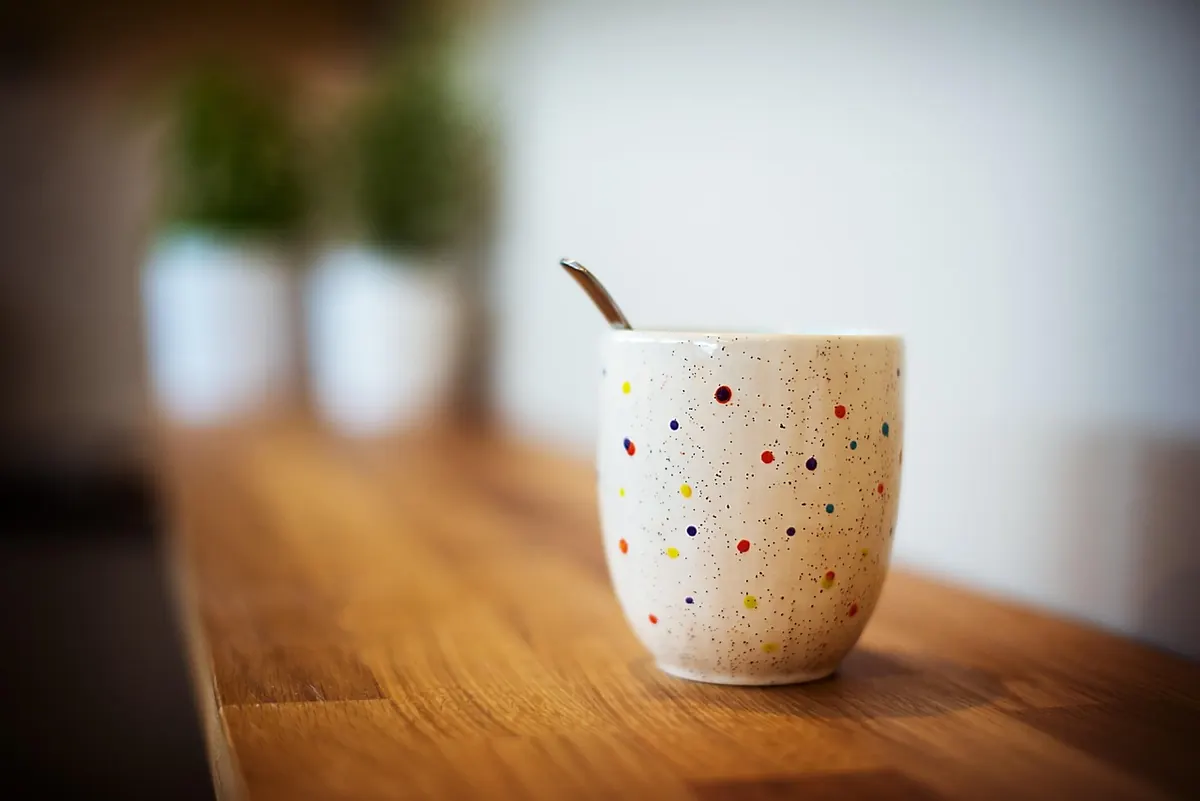
The kettle clicks off. You reach for a mug and three others shift behind it. The strainer is somewhere in the drawer, the tea is behind the cereal, and the spoon you need is in the sink. Brewing should be the calmest two minutes of your day, and it can be — once the gear has somewhere sensible to live.
Tea accessories multiply quietly. A mug from a trip, a second strainer because the first was dirty, four tins of loose-leaf bought in an enthusiastic afternoon. None of it is clutter on its own. Together, it becomes a small daily friction.
Start With the Brewing Zone
Everything you use to make a cup should be within arm's reach of the kettle. That is the whole principle. If you have to walk to fetch the strainer, it will end up sitting on the counter instead of going back where it belongs.
If your counter is tight, borrow the tray trick. A rimmed tray or a shallow basket holds the daily kit and lifts away in one motion when you need the space for cooking. No drawer required, nothing to reorganise.
What earns a spot in the zone
- Two to four mugs in daily rotation, no more
- One strainer or infuser per tea drinker
- The one or two teas you are actually drinking this month
- A spoon or scoop that lives with the tea, not in the cutlery drawer
- A small bowl for spent leaves
- A cloth for wiping drips
Everything else — guest mugs, holiday tins, the third strainer — can stay nearby. Just not in the zone.
Mugs: Keep a Working Set, Store the Rest
Most households reach for the same four to six mugs. Keep those where you can see them, in a single row. Deep shelves are the quiet enemy here: stack mugs front to back and the ones at the back never get used, but they still take up space and still need dusting.
For the overflow, pick a method and commit to it.
- Top shelf or high cabinet: guest mugs and matching sets, stacked no more than two high.
- Under-shelf hooks: good for wide cabinets where mugs waste vertical space. Check the weight rating before trusting a hook with heavy stoneware.
- A labelled box: seasonal or sentimental mugs, put away but findable.
The ten-minute mug sort
Pull every mug out — all of them, including the ones at the back of the cabinet and the one that has been sitting on your desk. Make four piles: every week, occasionally, sentimental, and out.
Be honest with the "every week" pile; six is generous for two people. Then look at anything chipped or cracked. A chipped rim can catch your lip and will hold a tea stain no matter how you scrub it. Retire it to a pen cup, a plant saucer, or the donation box.
Strainers, Infusers, and Other Small Parts
Small hardware is what turns a tidy drawer into a jumble. Ball infusers, basket strainers, paper filters, measuring spoons, a thermometer you used twice. Left loose, they migrate to the back corner and tangle with the twist ties.
Give them one home: a shallow drawer with dividers, or a lidded caddy if you have no drawer to spare. Shallow matters. In a deep drawer, small items sink, and the layer on top gets scraped around every time you open it.
Two habits keep that drawer usable. First, dry before you put away. A rinsed strainer dropped back in the drawer rusts, and a wet tea bag left inside a ball infuser turns sour by morning. A small dish or a folded cloth beside the sink for drying solves both. Second, keep sets together. The basket strainer and its saucer travel as a pair, and the two halves of a ball infuser can live in a tiny mesh bag so you are never hunting for the lid.
If you keep tea bags as well as loose-leaf, don't mix them into the same pile. Bags standing upright in a small box read at a glance; bags loose in a drawer become a shuffled deck.
Storing Loose-Leaf So It Stays Worth Drinking
Tea is a dry, absorbent leaf. Four things work against it: air, light, heat and moisture — plus whatever is strongly scented nearby. A tin of jasmine left open beside the coffee beans will taste like coffee within a week.
The fix is simple. Airtight, opaque containers, kept in a cool cupboard away from the stove and the window. If you buy in larger bags, decant a couple of weeks' worth into a small tin and leave the rest sealed. Opening the big bag every morning exposes the whole supply to air for no reason.
Label each tin with the tea name and the month you opened it, and put the oldest in front. Tape and a marker are enough. When you refill a tin, wipe it out first — old leaf dust at the bottom muddies the fresh batch.
Skip the refrigerator. Fridge air is damp and carries the smell of everything else in there, and a cool dark cupboard does the job better. Keep the teas you drink daily in the brewing zone and the rest on a shelf close by.
The Five-Minute Weekly Reset
Small messes stay small when they are cleared on a schedule. Pick a moment — Sunday evening, or right after you finish a pot — and run through this:
- Empty the spent-leaf bowl into the bin or compost and rinse it.
- Wipe the tray or shelf with a damp cloth; tea drips dry sticky.
- Rinse the strainers and set them out to dry properly, not in the drawer.
- Collect stray mugs from the desk, the bedside table and the living room.
- Check the daily tins and refill them from the main supply.
- Straighten the small-parts drawer — thirty seconds, no rearranging.
That is the whole routine. It works because nothing on the list takes long enough to postpone.
A Calmer Cup
The goal is not a styled shelf or a matching set of tins. It is that making tea takes twenty seconds and leaves nothing behind. When the mug you want is the one in front and the strainer is dry and waiting, the ritual gets the attention it deserves.
Start with one thing this week: empty a drawer, sort the mugs, or move the tea off the windowsill. You will notice the difference tomorrow morning, before the water has even boiled.
Photo: Bububácsi / Pixabay